
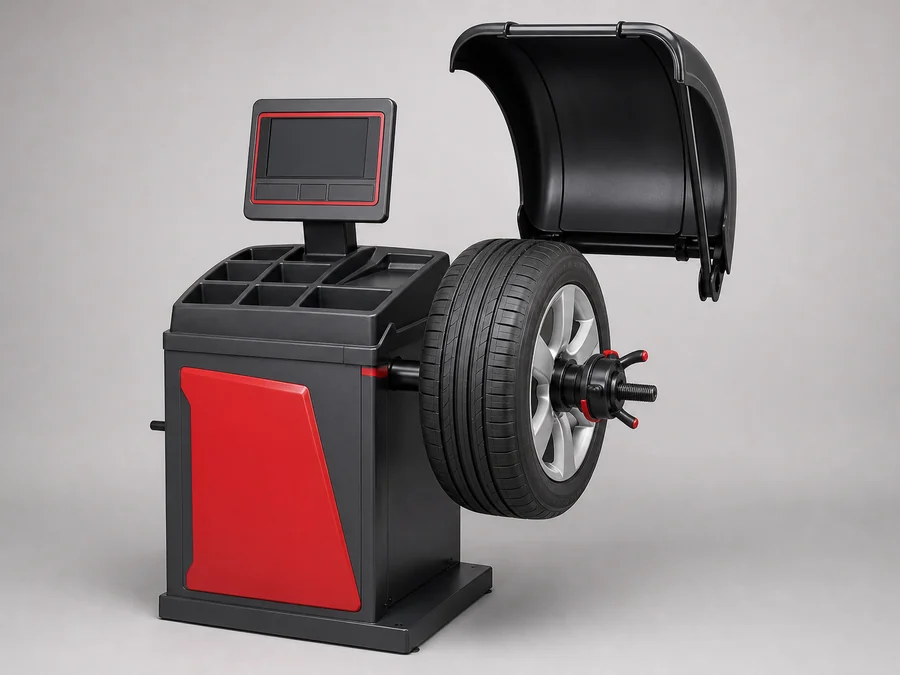
Wheel balancers
Smooth rides, zero shake
A wheel that is out of balance fights every mile. Triumph digital balancers pinpoint weight quickly so steering stays calm and tires wear evenly.
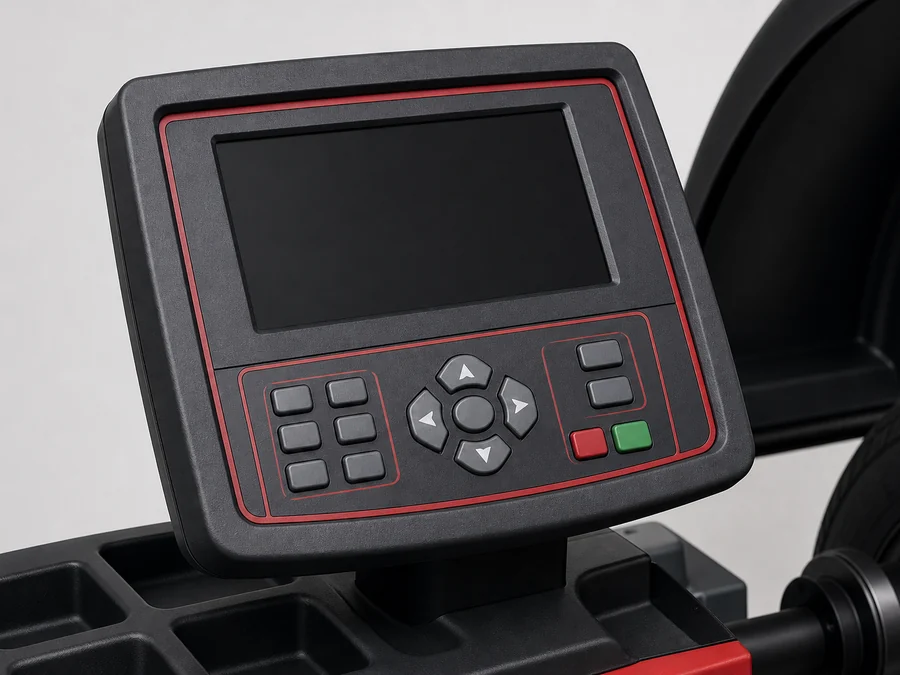
Choose the compact NTB-550 for tighter bays, or the tower-display NTB-800 when your lane runs hot all day.
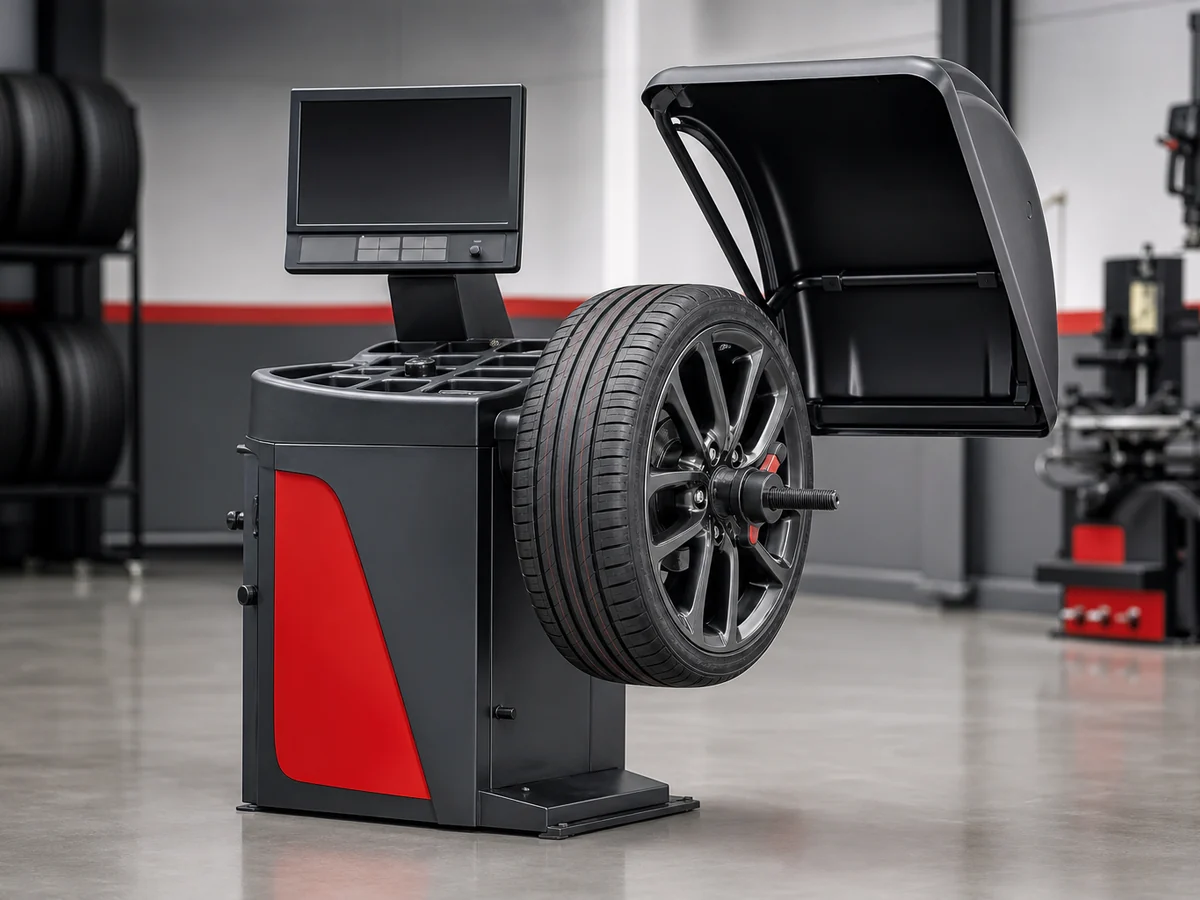
High-volume pick
NTB-800 balancer
Why it matters
Balance protects tires
Even a few grams in the wrong spot create vibration that drivers feel through the wheel and seat.
Left unchecked, that vibration scrubs tread unevenly, stresses bearings, and wears suspension parts faster. A clean balance on every wheel is one of the simplest ways your shop adds value and keeps customers coming back.
Smoother steering at highway speed.
Longer tire life from even tread wear.
Less strain on bearings and suspension.
The lineup
Balancers & accessories
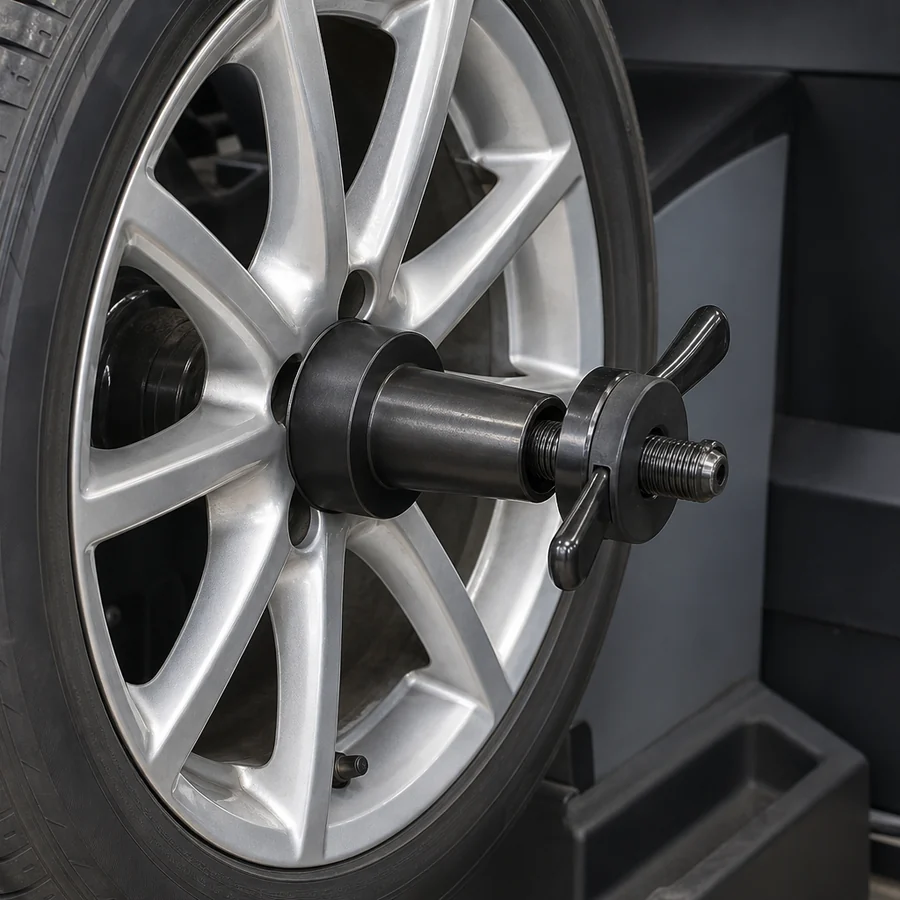
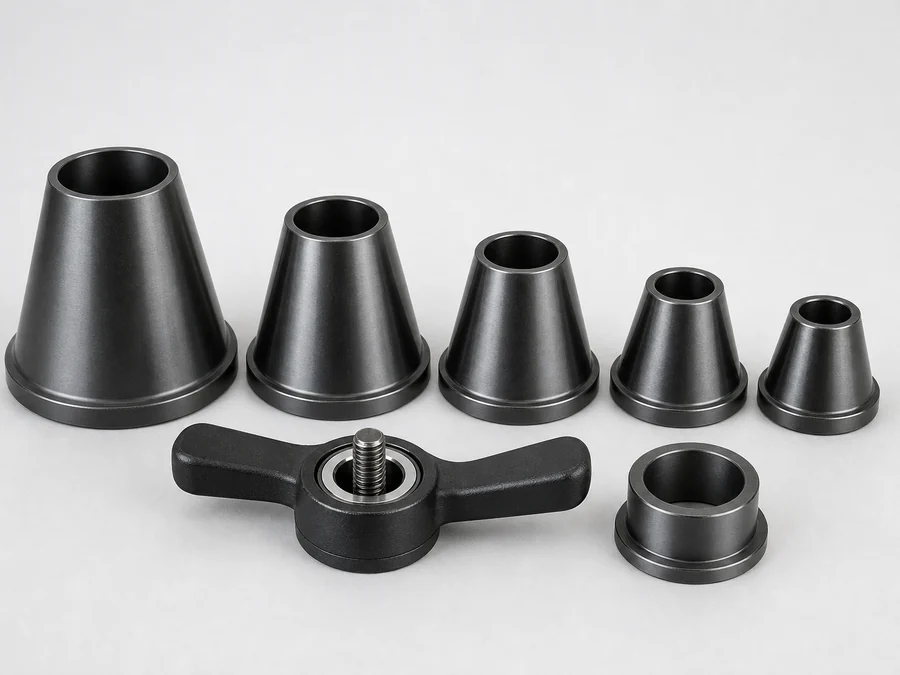
Two balancer models and the adapters that keep them accurate. Pair either machine with a quality cone set for the cleanest reading on alloy wheels.
Step by step
How balancing works
A Triumph balancer makes the job fast enough to do on every wheel, every time — exactly how it should be done.
Step 01
Mount the wheel
Slide the wheel onto the shaft, choose the right cone, and lock it with the quick-release nut.
Step 02
Enter the size
Set rim width, diameter and offset on the display, then lower the guard to spin.
Step 03
Place the weight
The balancer shows where and how much weight to add. Fit it, re-spin, and confirm zero.
Which one
NTB-550 or NTB-800
Choose the NTB-550
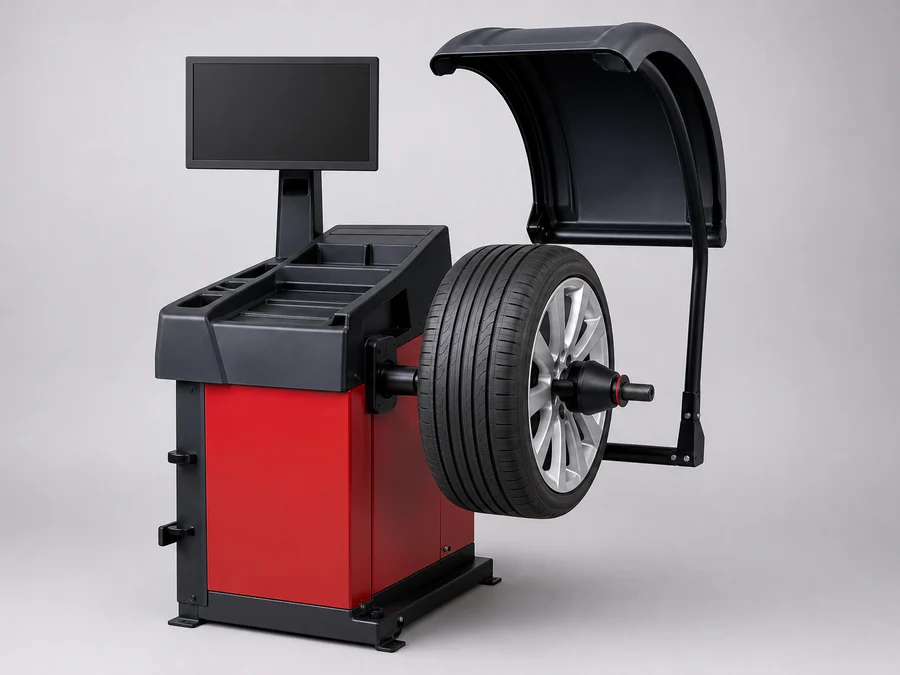
If you run a smaller bay or moderate volume, the compact NTB-550 gives you accurate digital balancing in a tidy footprint. It is the practical pick for general repair shops adding tire service.
Choose the NTB-800
High-traffic lanes earn back the upgrade fast. The tall tower display is readable from across the bay and speeds up training, so throughput stays high during the seasonal rush.
Not sure which fits?
Send us your weekly wheel count and bay size — we will recommend the right balancer.
Request a quoteDeep dive
Balancing done right
A wheel is balanced when its weight is distributed evenly around the axle. In practice, every tire-and-rim assembly has small heavy spots from manufacturing tolerances and normal wear. At low speed you never notice them, but at highway speed those few grams spin into a noticeable shake. A Triumph digital balancer measures the imbalance precisely and tells the technician exactly how much weight to add and where, turning a fiddly job into a quick, repeatable one.
The NTB-550 is our compact model, built for general repair shops and tidy bays. It delivers accurate digital balancing in a small footprint, so you can add a profitable service without rearranging the whole floor. The cabinet houses the spin motor and electronics, while the included cone set adapts the shaft to most center-bore steel and alloy wheels. For shops just expanding into tire work, it is the practical, budget-friendly starting point.
The NTB-800 steps up for high-traffic lanes. Its tall display tower is easy to read from across the bay, which speeds up the rhythm of mount, spin, weight, and confirm. During the seasonal changeover rush — when winter and summer sets stack up fast — that readability and quick spin-up keep throughput high and customers moving. Both balancers share the same honest engineering philosophy: dependable parts, simple calibration, and readings you can trust.
Accuracy is only as good as the setup, which is why a quality cone and a firm quick-release nut matter so much. A wheel that is centered properly on the shaft reads consistently, while a sloppy mount can send the operator chasing phantom weights. Keep your cones clean and undamaged, run the one-minute calibration check monthly, and your balancer will reward you with smooth, complaint-free wheels. Pair either machine with an NTC-950 tire changer and stock a few replacement parts to run a complete, self-sufficient tire bay.
It also helps to match the weight type to the wheel. Clip-on weights work well on steel rims and many alloys with a defined lip, while adhesive tape weights tuck neatly behind the spokes of polished or painted wheels where appearance matters. A Triumph balancer supports the common weight modes shops use every day, so the operator can pick the cleanest, most discreet placement for each customer. Small habits like wiping the rim before applying tape weights and re-spinning to confirm a true zero make the difference between a wheel that is "close enough" and one that is genuinely balanced.
FAQ
Balancer questions
More to ask? Reach our team and we will help you spec it.
-
What wheel sizes do they fit?
Both balancers cover common passenger and light-truck wheels. The included cone set adapts to most center-bore alloy and steel rims.
-
How often should I calibrate?
A quick calibration check monthly keeps readings true. The on-screen routine takes only a minute with a known weight.
-
Can I pair one with a changer?
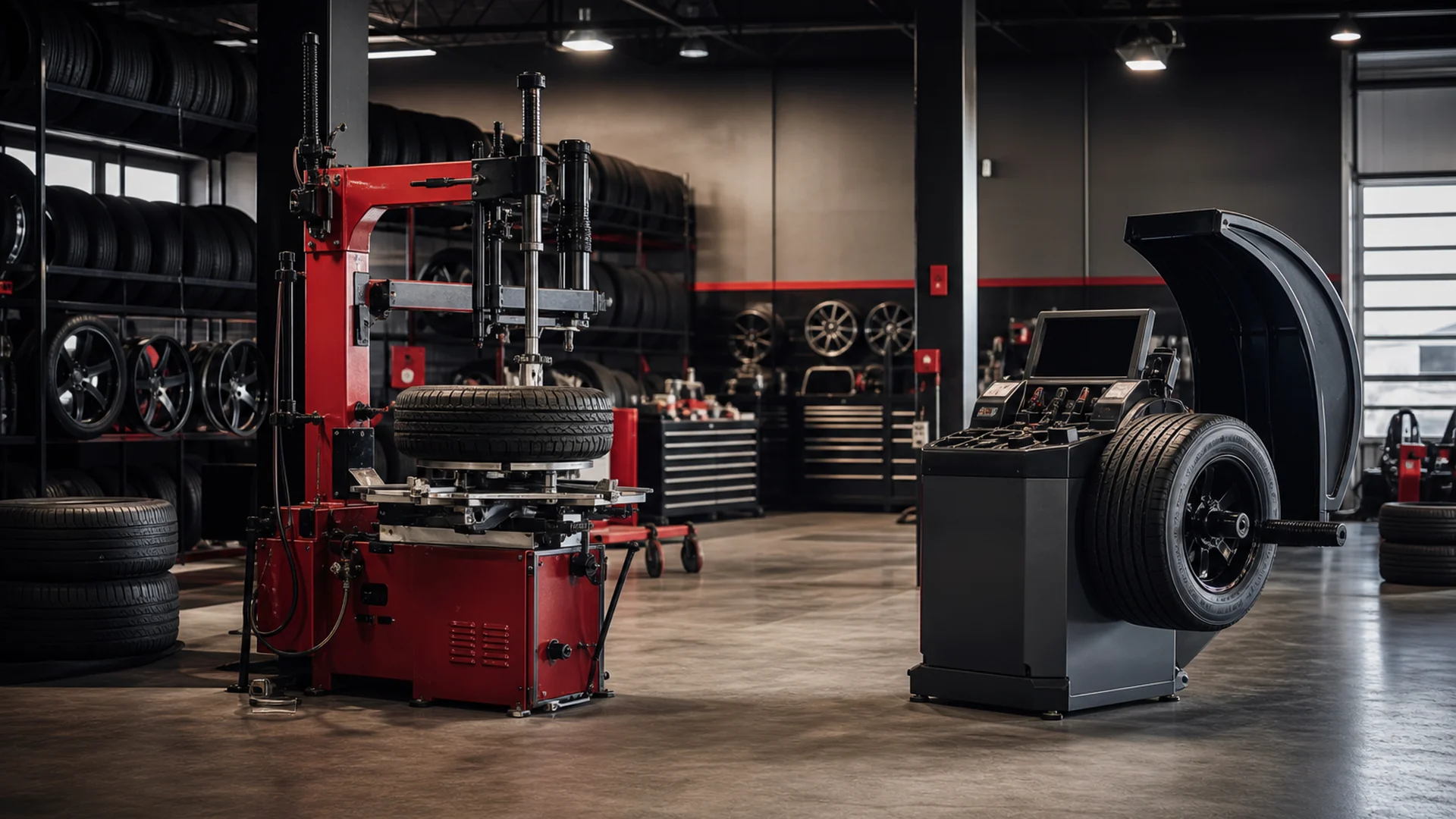
Absolutely. Most shops pair a balancer with an NTC-950 tire changer to run a complete tire bay.